
The journey of gambling tracing its historical evolution through the ages
The Origins of Gambling
The journey of gambling can be traced back to ancient civilizations, where the concept of chance and risk first emerged. Archaeological findings suggest that gambling activities existed in China as early as 2300 BC, with the creation of rudimentary games using dice made from animal bones. These early forms of gambling were often intertwined with religious and social practices, indicating that the act of wagering held significant cultural value in early societies. The introduction of betting on sporting events in ancient Greece further illustrates how gambling evolved from simple games of chance to more organized forms. Today, players can find a variety of options, including payid casinos, ensuring secure transactions and quick withdrawals.
In ancient Rome, gambling became more widely accepted, despite occasional bans due to its association with vice. The Romans enjoyed games involving dice, and gambling became popular among soldiers and citizens alike. Evidence of betting on gladiatorial contests demonstrates the integration of gambling into societal events. This historical backdrop reveals that gambling was not merely a pastime, but a complex activity that mirrored the economic and cultural dynamics of the time.
The spread of gambling practices across various cultures led to the formation of games that would eventually lay the groundwork for modern-day gambling. As societies evolved, so too did the methods and means of gambling. By the Middle Ages, Europe saw the emergence of card games, which would soon become a staple in gambling establishments. This period marked a significant shift towards the organized gambling we recognize today.
The Development of Casinos
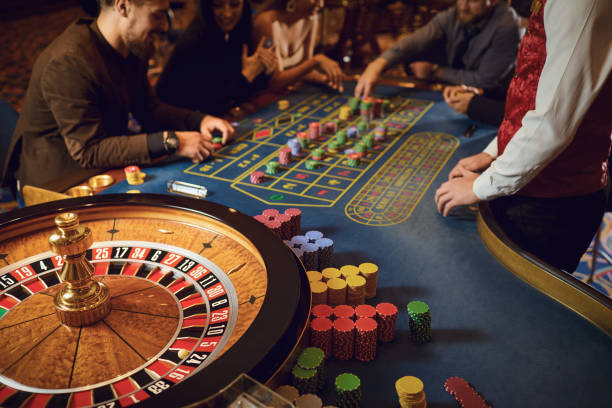
The 17th century marked the establishment of the first formal casinos, notably the Casino di Venezia in Italy, which began operating in 1638. This evolution represented a turning point in the history of gambling, as these establishments offered a dedicated space for various games, providing an atmosphere where social interaction and gaming could coexist. The casino not only served as a hub for entertainment but also began to shape the modern understanding of gambling as a leisure activity.
As gambling gained popularity, casinos spread throughout Europe, leading to the famous gambling destinations we know today. Monaco’s Casino de Monte-Carlo, established in the 19th century, became synonymous with luxury and sophistication, attracting wealthy patrons from across the globe. The emergence of these high-end casinos transformed the gambling landscape, offering not just gaming but a complete entertainment experience with dining, performances, and social gatherings.
In the United States, the arrival of casinos changed the face of gambling even further. The establishment of gambling hubs in places like Las Vegas introduced innovative gaming options and large-scale entertainment venues. With the legalization of gambling in several states, casinos became a significant part of the American economy, reflecting both the allure of chance and the social dynamics associated with gambling culture.
The Impact of Technology on Gambling
The evolution of gambling took a significant leap with advancements in technology, particularly in the late 20th century. The introduction of online gambling in the 1990s revolutionized the industry, making games accessible from the comfort of home. This shift not only attracted a new generation of players but also led to the diversification of gaming options, with online platforms offering everything from traditional table games to innovative slots and live dealer experiences.
Mobile technology further propelled the growth of online gambling, allowing players to engage in gaming on the go. As smartphones became ubiquitous, casinos adapted by creating mobile-friendly interfaces and apps. This evolution not only increased user engagement but also made gambling more inclusive, as people could play from virtually anywhere, breaking geographical barriers that once defined the industry.
The integration of secure payment methods and advanced encryption technologies has also played a crucial role in online gambling’s growth. Players today enjoy safe and efficient transaction options, leading to a more secure gambling environment. With the rise of cryptocurrencies and digital wallets, the industry continues to evolve, catering to changing consumer preferences and technological advancements.
The Social and Legal Landscape of Gambling
Throughout history, gambling has been subject to varying degrees of regulation and scrutiny. As gambling grew in popularity, governments began to establish legal frameworks to manage the industry. The introduction of licensing systems and regulatory bodies aimed to ensure fair play and protect consumers. This increased oversight has become crucial in addressing issues such as problem gambling and ensuring that operators adhere to ethical practices.
In many regions, the legalization of gambling has sparked debates around its societal implications. While proponents argue that regulated gambling can boost economies and create jobs, critics often highlight the potential for addiction and other negative social impacts. This duality in perspectives underscores the ongoing challenges in balancing the benefits of a thriving gambling industry with the responsibility of protecting vulnerable populations.
As global attitudes toward gambling continue to evolve, more jurisdictions are reconsidering their laws. Many countries are embracing regulated online gambling, recognizing its economic potential while implementing measures to mitigate risks. This evolution illustrates the dynamic nature of gambling legislation and the importance of adapting to changing societal norms and technological advancements.
Exploring the Future of Gambling
The future of gambling appears to be shaped by ongoing technological advancements and changing consumer preferences. Innovations such as virtual reality and augmented reality are on the horizon, promising to enhance the gaming experience further. These technologies can transport players into immersive environments, making gaming more interactive and engaging than ever before.
Moreover, the integration of artificial intelligence is poised to transform various aspects of the gambling industry, from personalized gaming experiences to enhanced customer service. AI can analyze player behavior, providing tailored recommendations and even identifying potential gambling issues before they escalate. This proactive approach reflects a commitment to responsible gambling, showcasing the industry’s dedication to addressing challenges as they arise.
As we look toward the future, it is clear that the evolution of gambling is ongoing. The industry must continue to adapt to technological advancements while remaining mindful of the social implications of its growth. By fostering innovation and prioritizing responsible practices, the gambling sector can ensure its relevance and sustainability for generations to come.

Conclusion and Resources
The historical evolution of gambling is a fascinating narrative that reflects humanity’s complex relationship with chance and risk. From its ancient origins to modern-day casinos and online platforms, gambling has undergone significant transformations, mirroring societal changes and technological advancements. As we navigate this dynamic landscape, understanding its historical roots helps to appreciate the depth of the gambling experience.
For those interested in exploring the contemporary gambling scene, resources abound, providing insights into the latest trends, legal frameworks, and gaming options. Whether you are a novice or an experienced player, staying informed about the historical context and current developments can enhance your understanding and enjoyment of this captivating world. The journey of gambling is far from over, and it promises to continue evolving in exciting and unexpected ways.

